And, because the heavy cotton material of the summer uniform wrinkled easily, buckled, and rode up, a tropical worsted fabric was substituted that was dry cleanable, wrinkle resistant, and light in weight for summer wear ( Plate 3 ).8 For off-duty wear, WACs received a uniform dress-one for winter that was a horizon tan (grayish-pink) color in a wool crepe fabric ( Plate 4 ), and one for summer that was a pale cream beige in a rayon-shantung fabric ( Plate 5 ).9 Issue of the off-duty dresses was discontinued in June 1949, but their wear was authorized until June 1954 when all World War II women's uniform items were declared obsolete.10 Also in 1944, WACs stationed in Europe received a waist length, olive-drab wool jacket, called a "battle jacket," that could be worn with matching skirt or slacks that were already in the supply system ( Plate 6) .11 In April 1945, the battle jacket was authorized for optional purchase and wear by officers and enlisted women in the continental United States (CONUS).12 WAC officers usually purchased their summer service uniform in the tropical worsted material
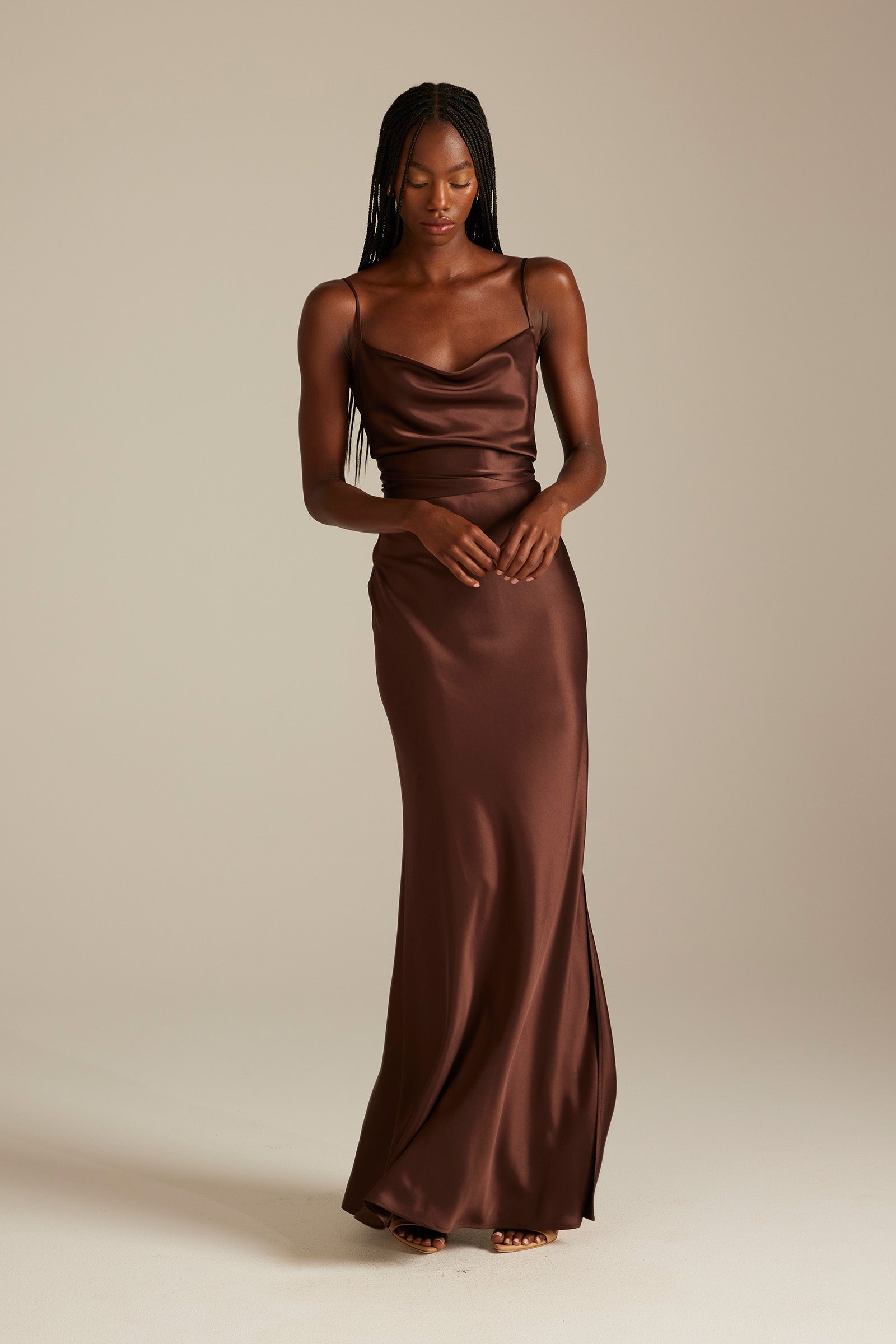
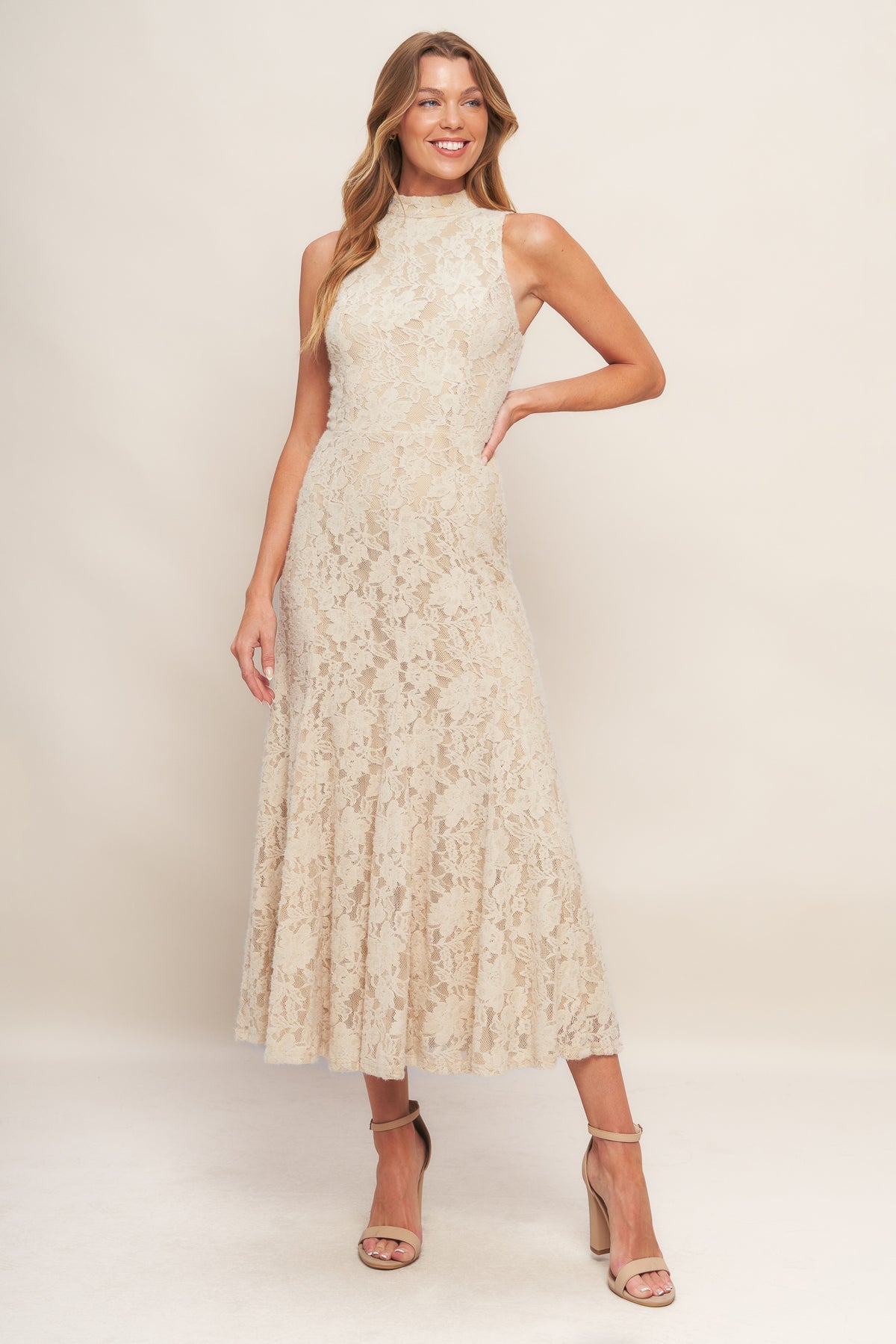
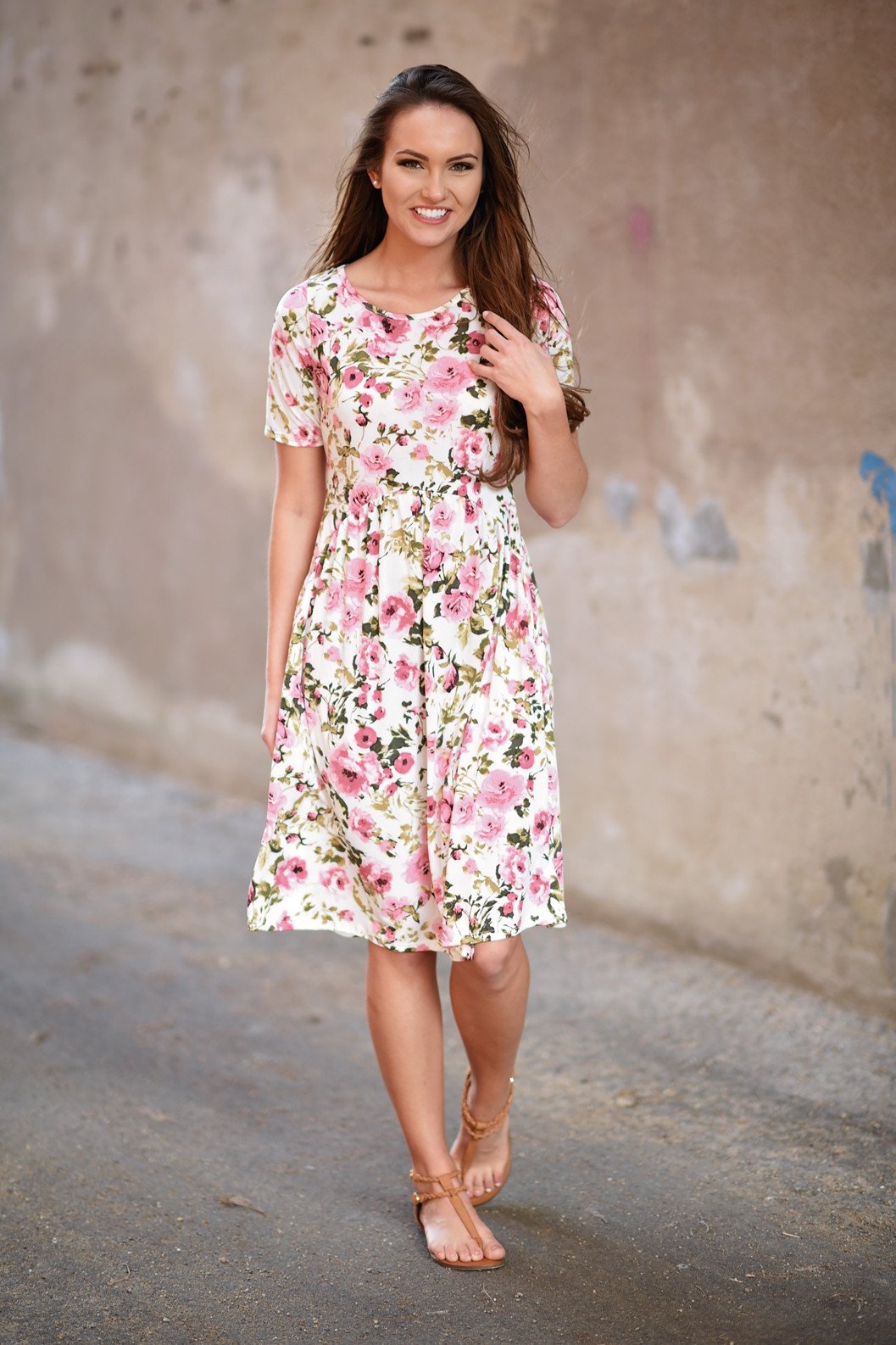
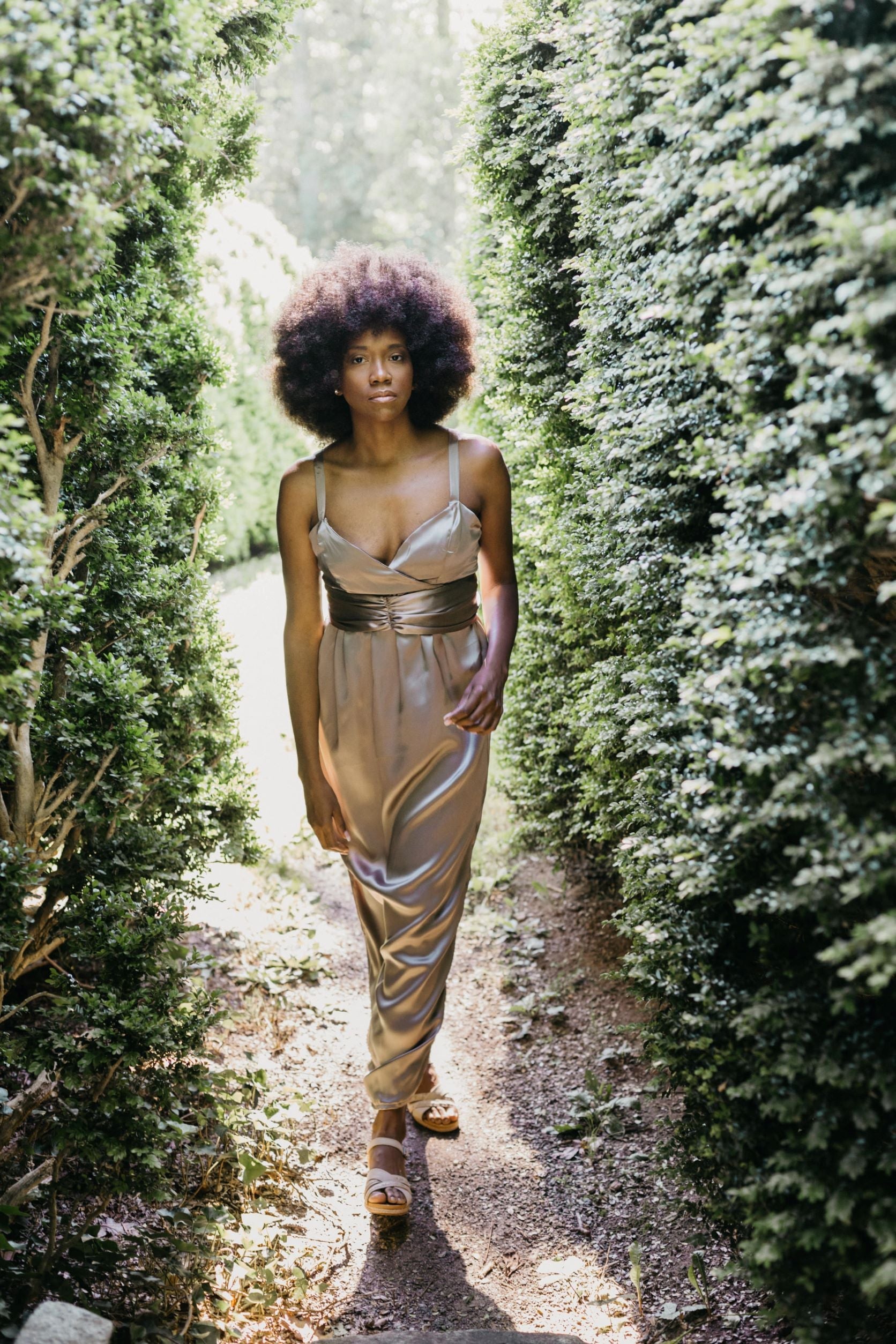
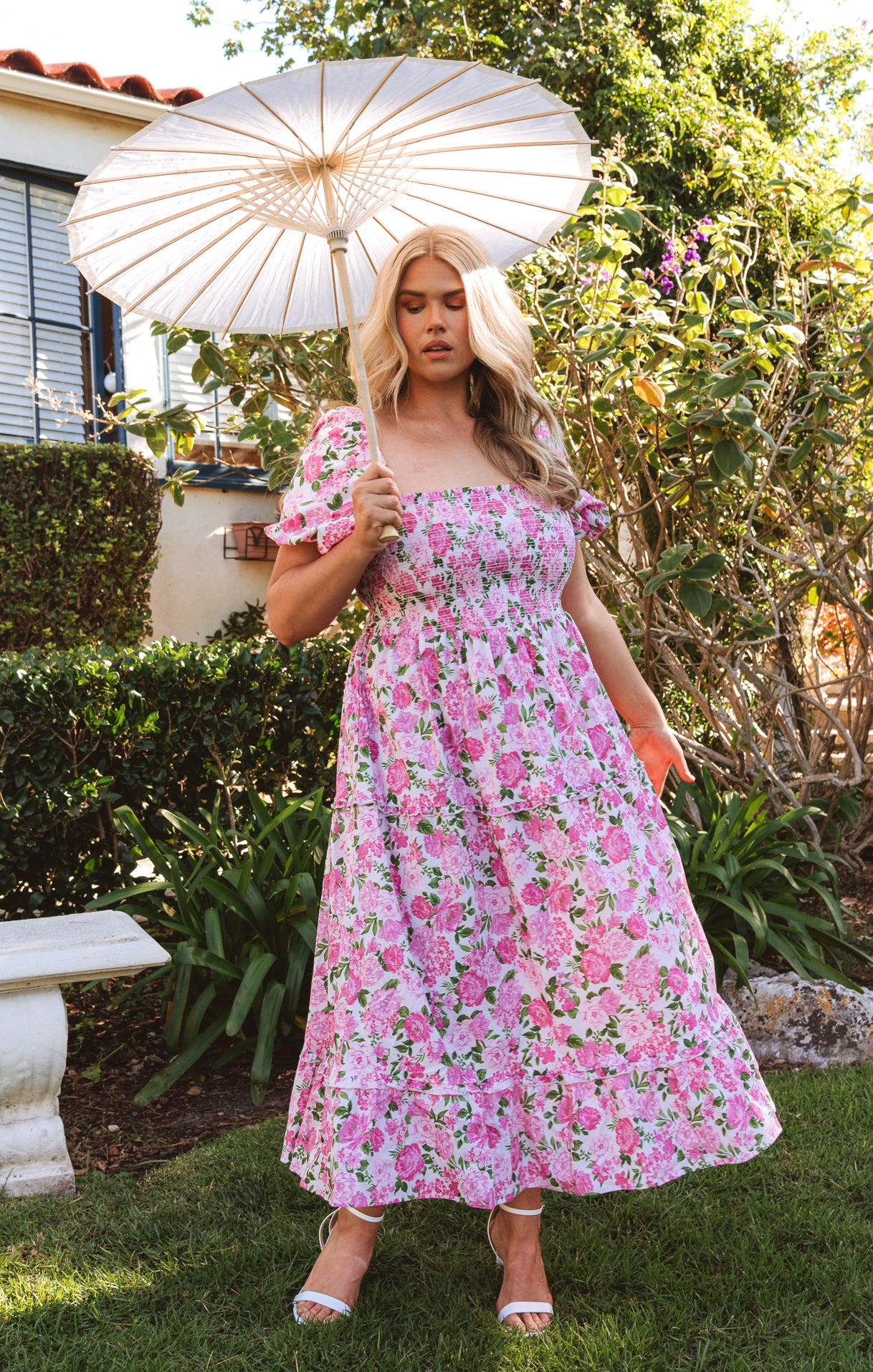
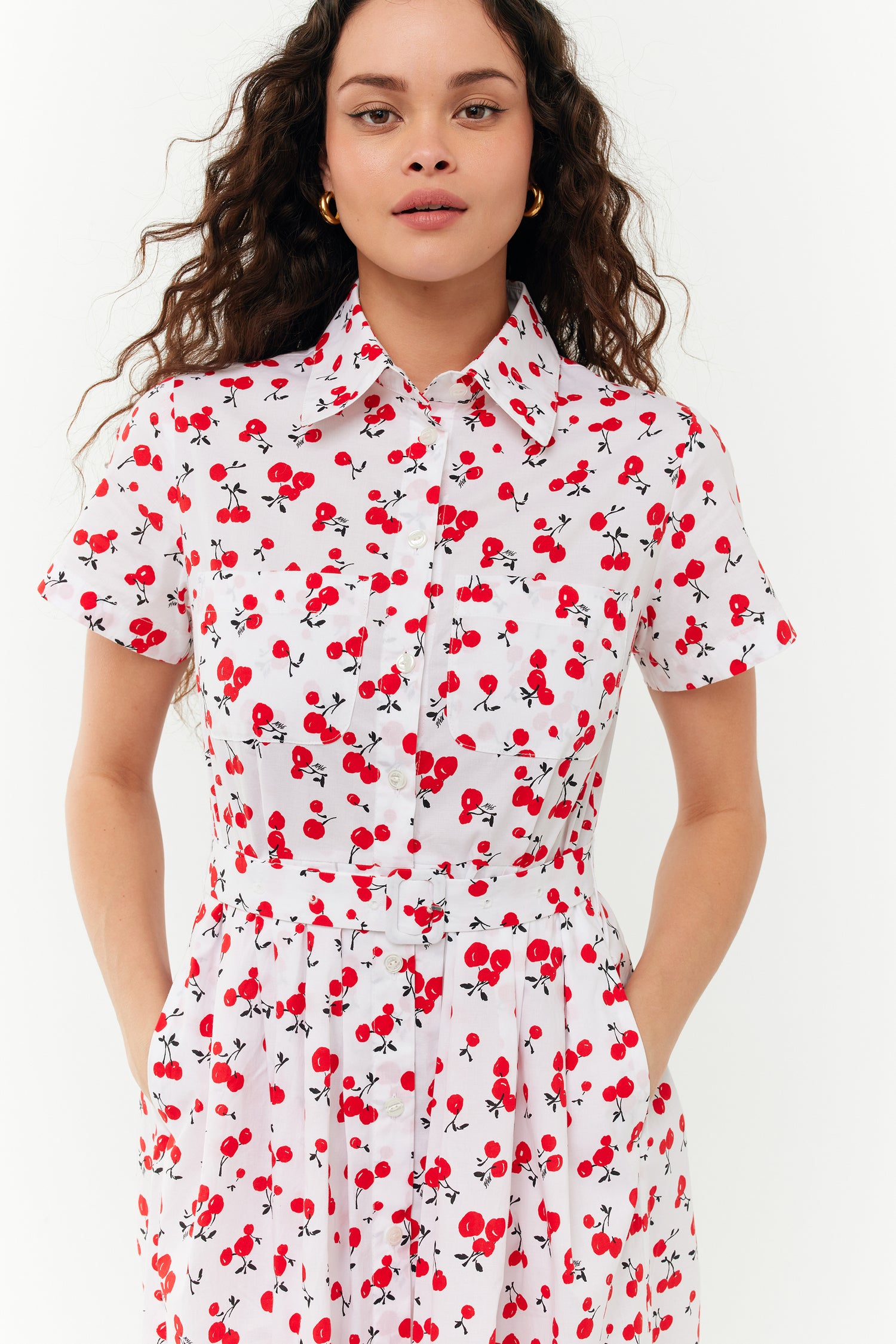
Light and Soft Fabrics: Materials such as chiffon, lace, silk, or cotton blends offer comfort and a delicate look
However, this one does actually contain some chunks, so at least you're getting something slightly interesting when it comes to texture
Whisk in the mixture from the saucepan well until combined, and use a fork to smash down any larger blue cheese crumbles to the desired size
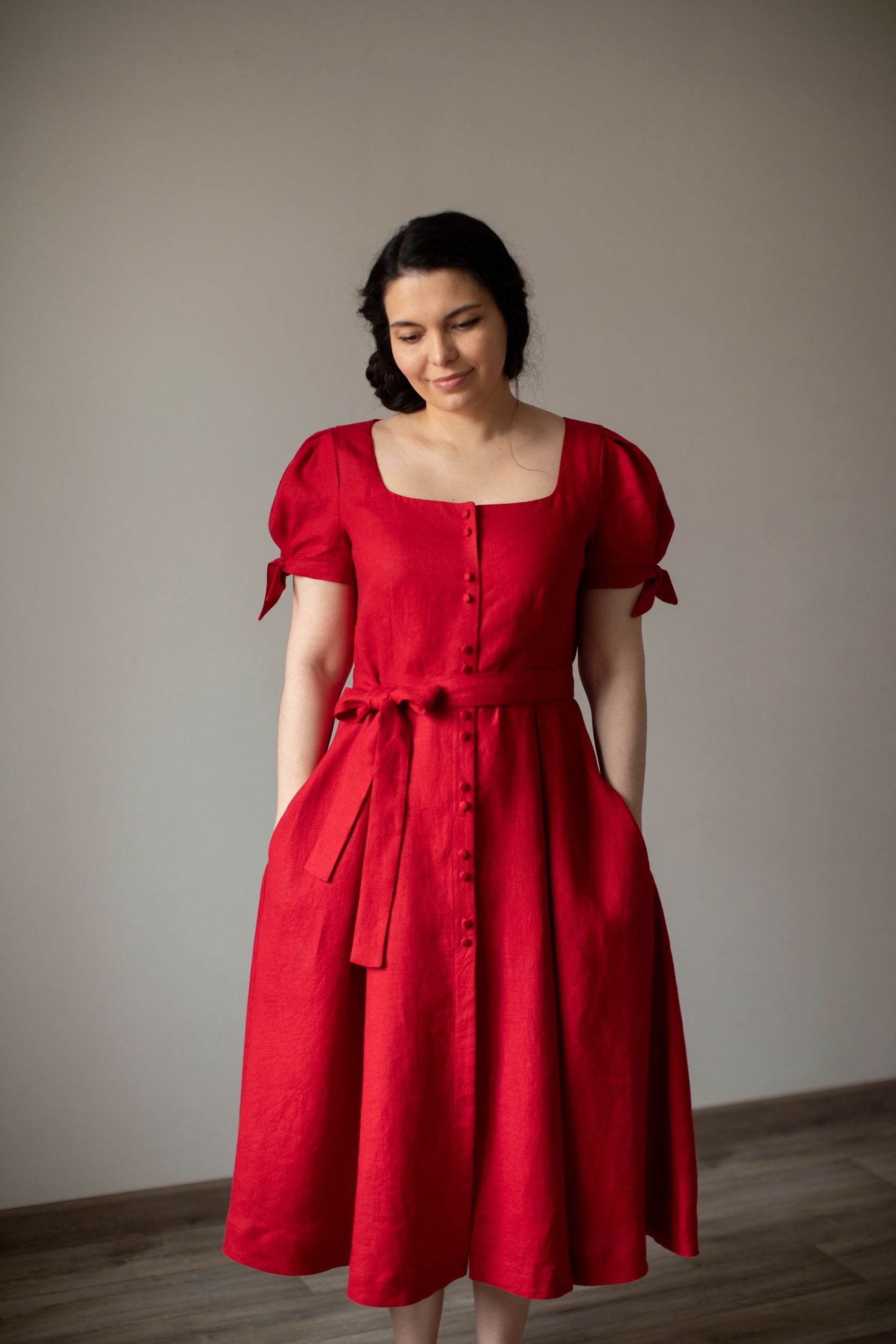
This not only adds an element of comfort but also adds a touch of sophistication to the overall look