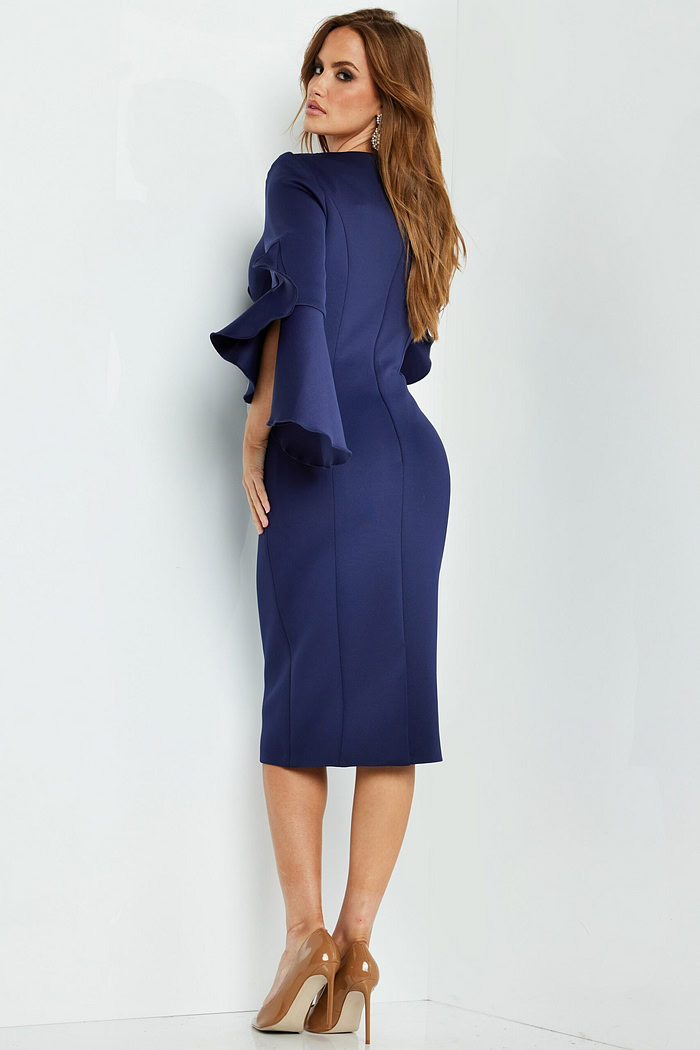
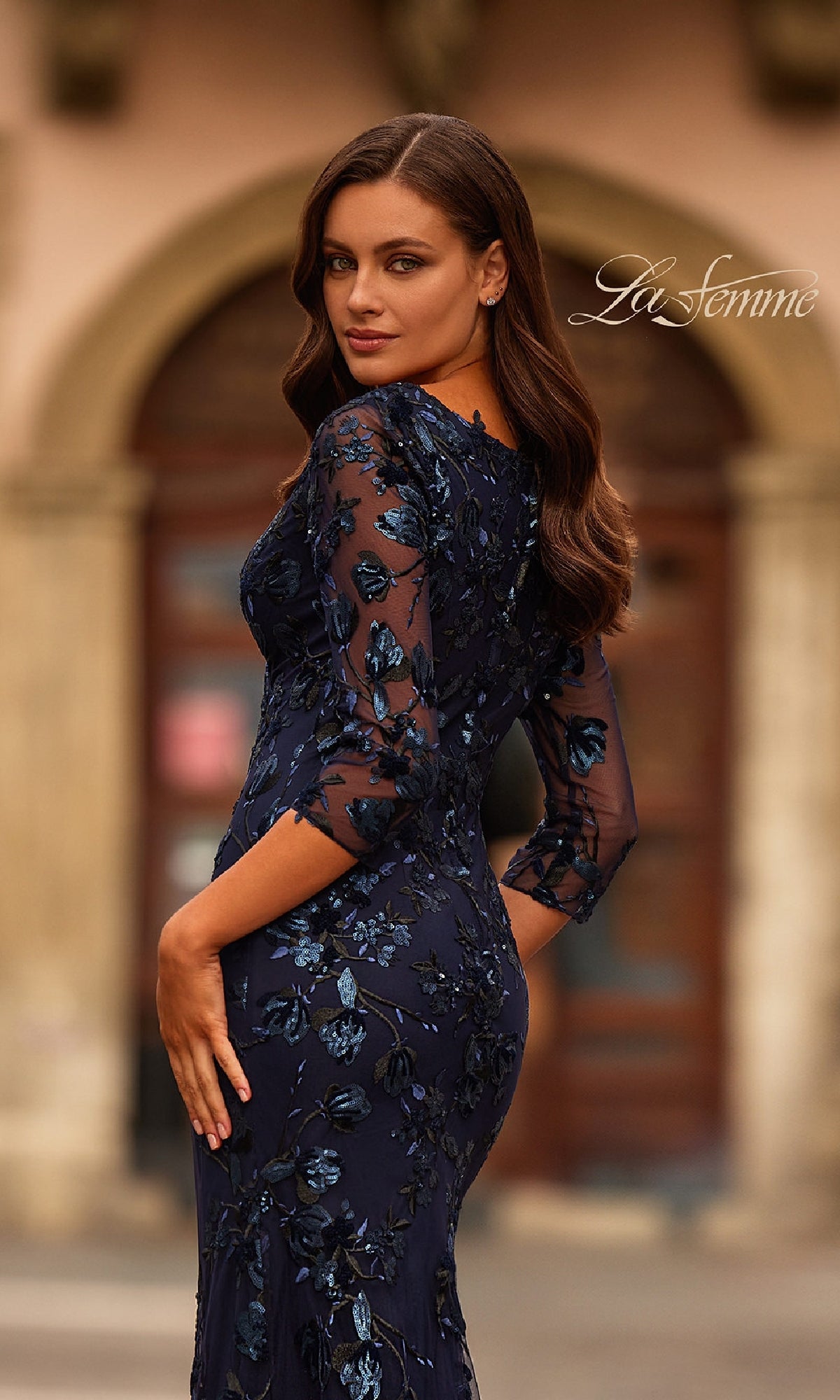
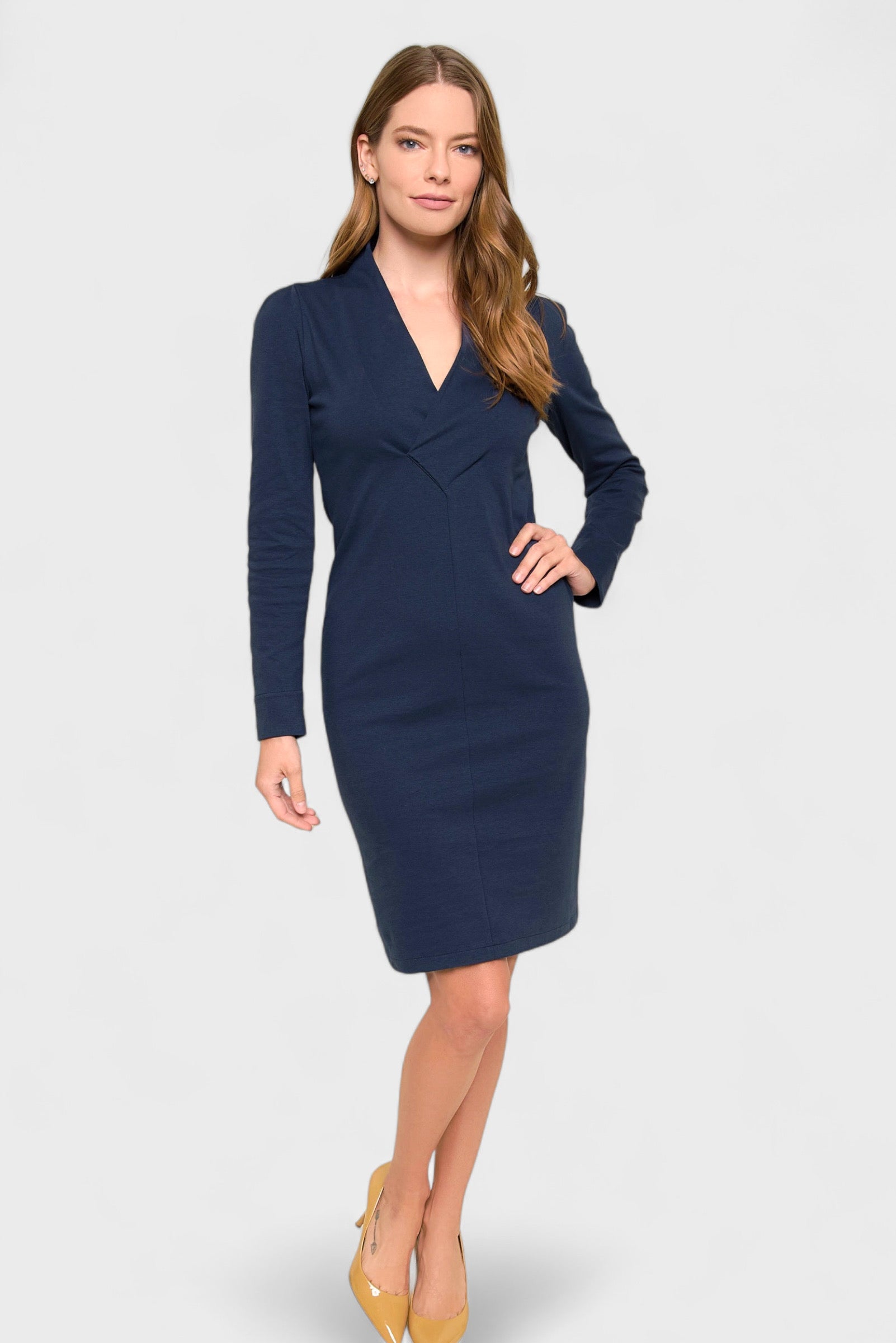
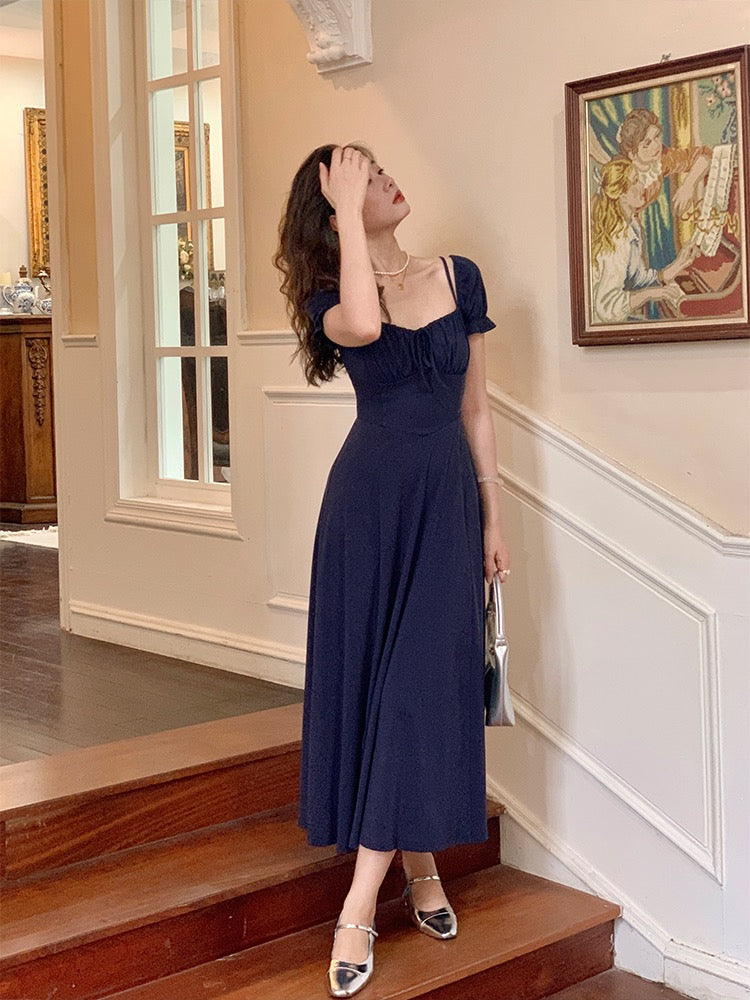
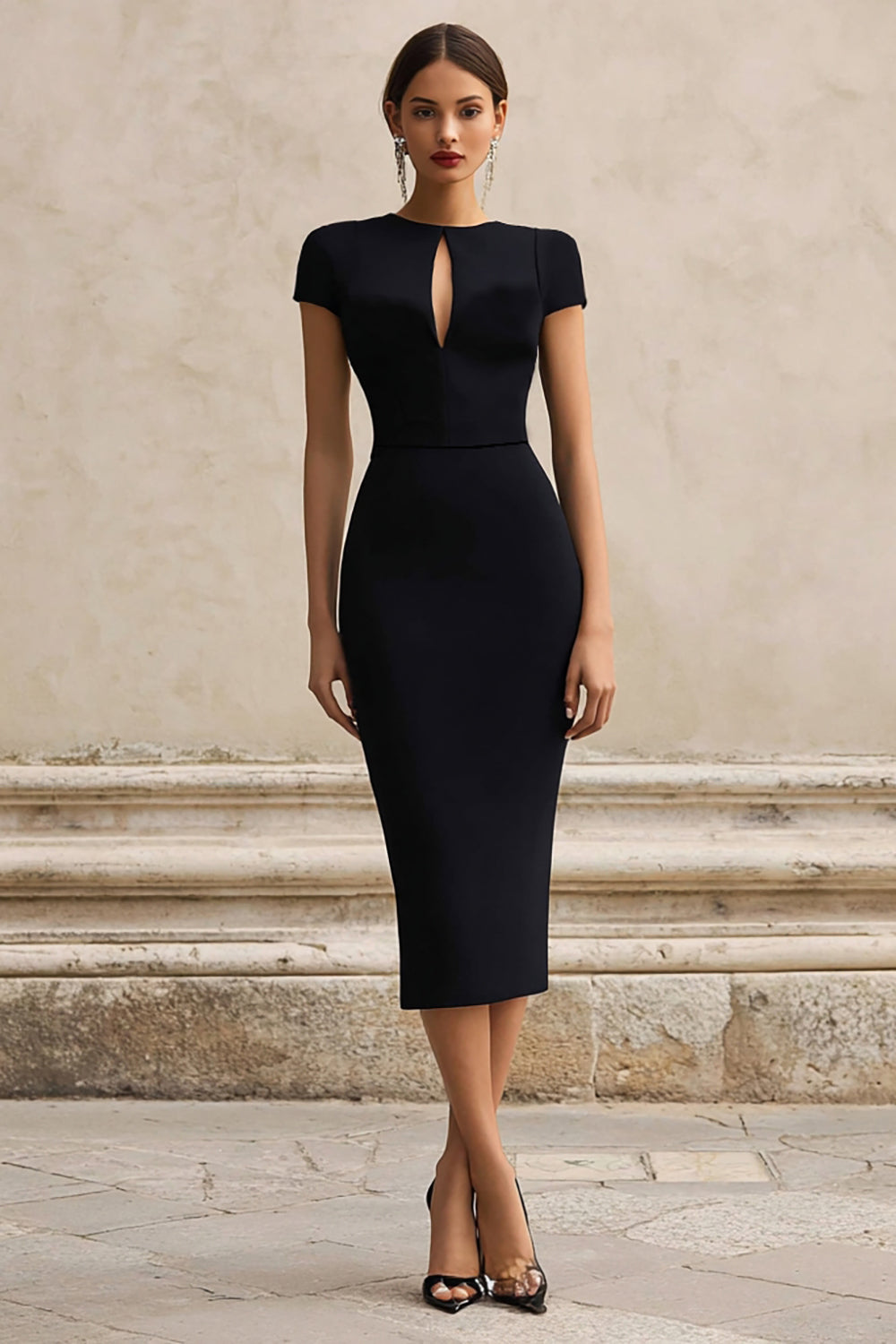
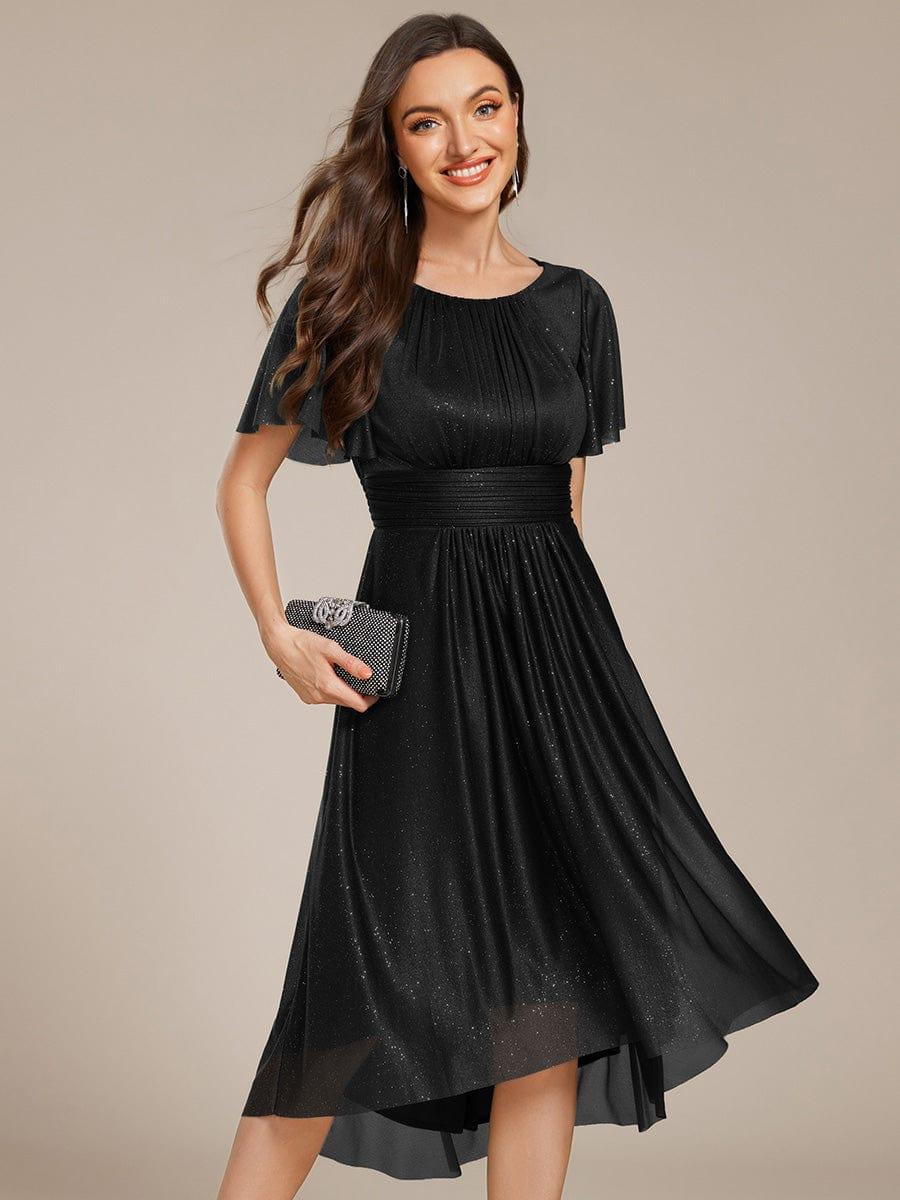
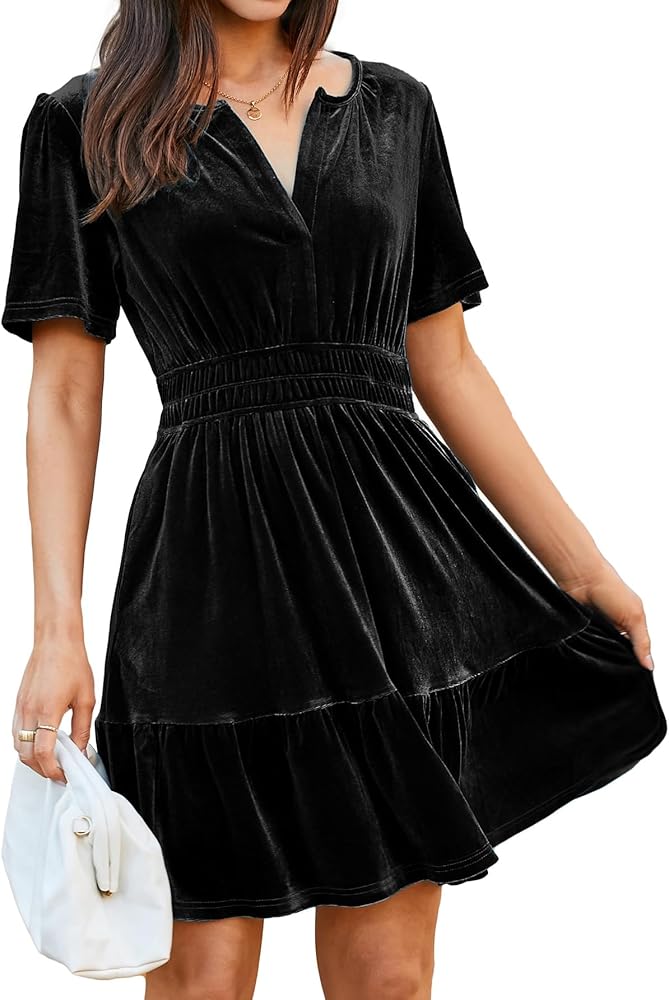
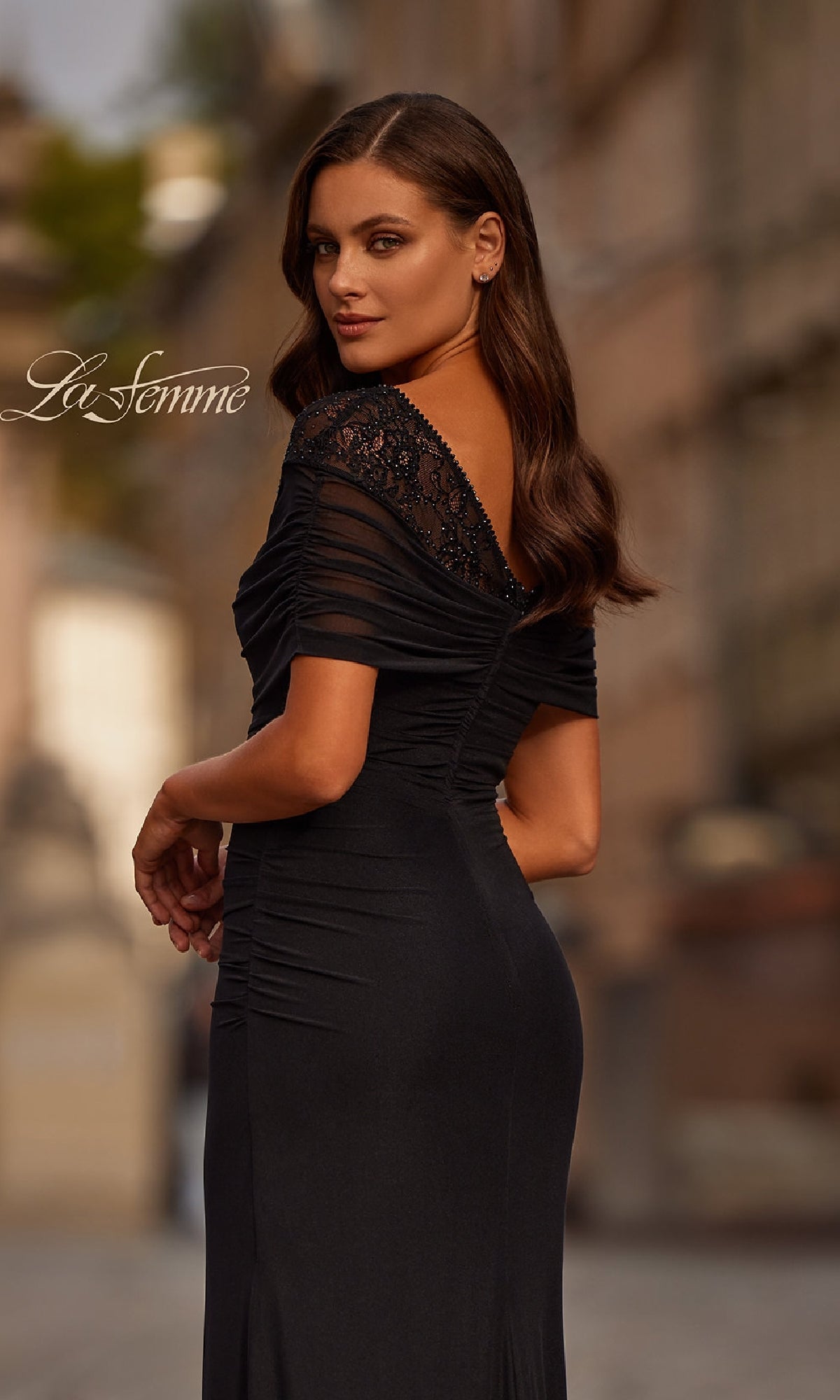
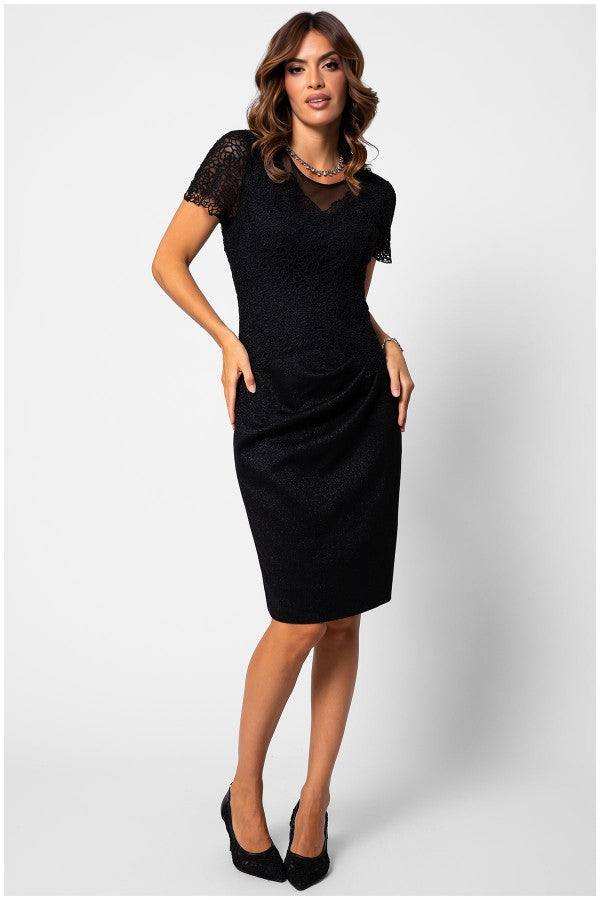
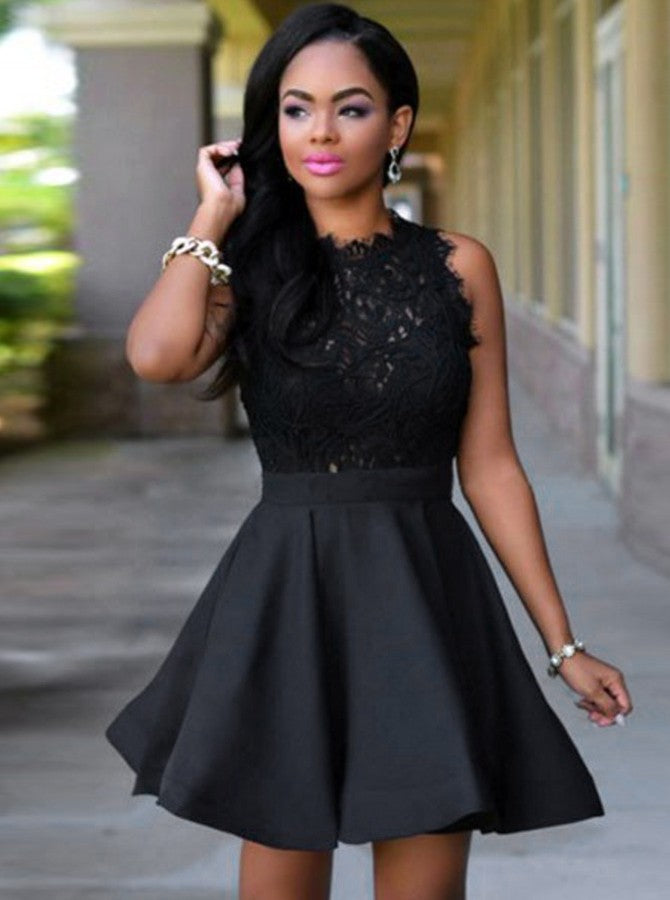
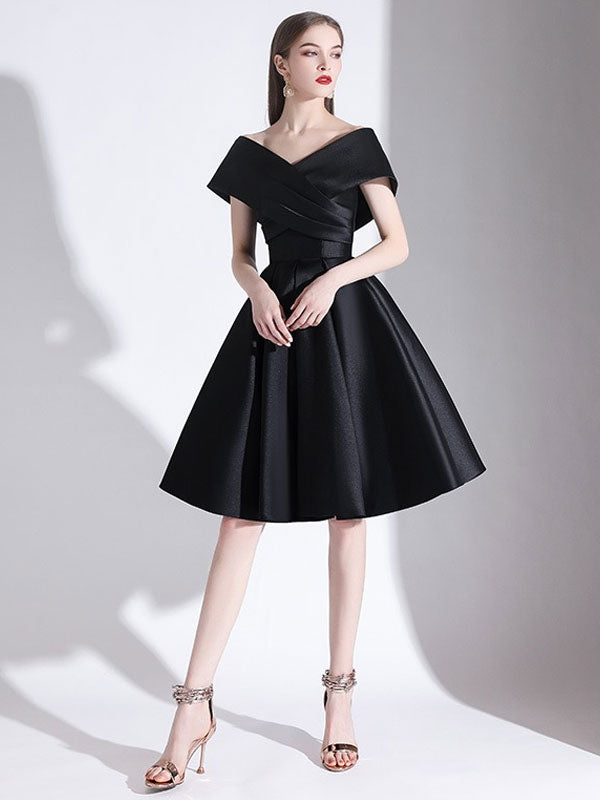
The clothes are made well and she Loves them
I was then convinced (read: Forced!) by my friend Amanda to go dress shopping and fell in love with the dress from Fairy Gothmother, an alternative boutique store in South East London, where we were assisted by the seriously cool, Emma (another Emma, clearly meant to be). The next weekend, after ensuring Fairy Gothmother were comfortable with a man trying on dresses, we returned and once he had tried on virtually every dress in the shop (Ian does get a bit over enthusiastic!) We found that the best look and fit on him was the same dress I had already chosen for myself
The Modern Blooms Floral Denim Mini Dress features a frayed linen overlay design that screams warm-weather fun
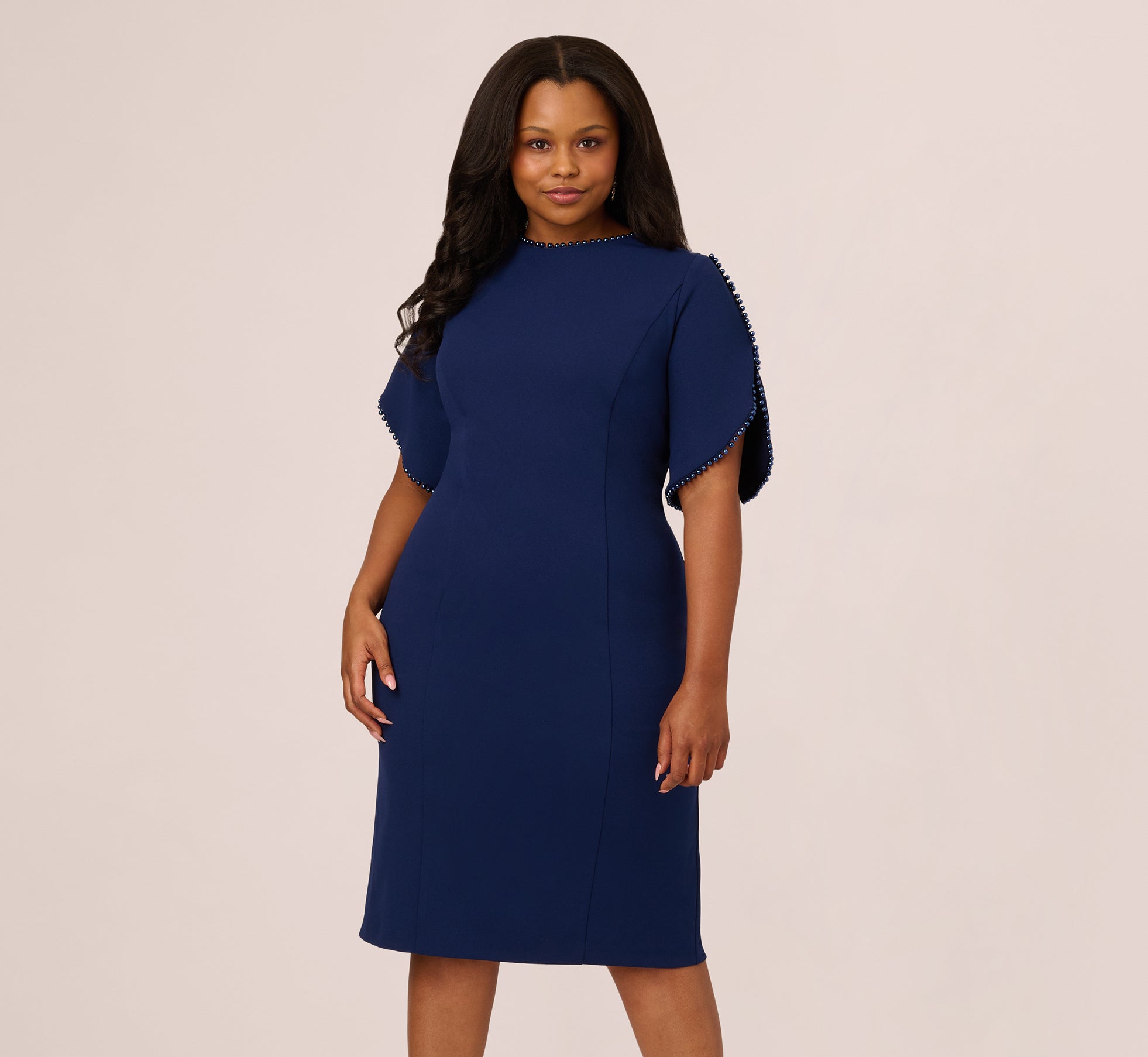
These traditional dresses are versatile and can be worn during formal functions as well as on a daily basis
subtle patterns acceptable depending on the event Neckwear: Silk necktie in appropriate pattern/color for the occasion Bow ties are acceptable but less common Pattern and color can show more personality than in black tie Waist Covering: No cummerbund Regular suit vest if part of a three-piece suit Many modern semi-formal looks omit a vest entirely Footwear: Polished leather dress shoes (oxfords, cap-toes, or whole-cuts preferred) Color traditionally matches belt (black or dark brown) No patent leather necessary Seasonal Variations Fall/Winter Semi-Formal: Darker colors Heavier fabrics (wool, flannel, tweed) Rich accessories (silk ties, wool pocket squares) Spring/Summer Semi-Formal: Slightly lighter colors acceptable (medium blue, lighter gray) Lighter weight wools, cotton blends, or linen blends Brighter accessory options Direct Comparison: Black Tie vs Semi-Formal Understanding the specific differences between these dress codes can help you make the right choices for each piece of your outfit